Winter Street Banners: How to Keep Downtowns Festive Beyond Christmas
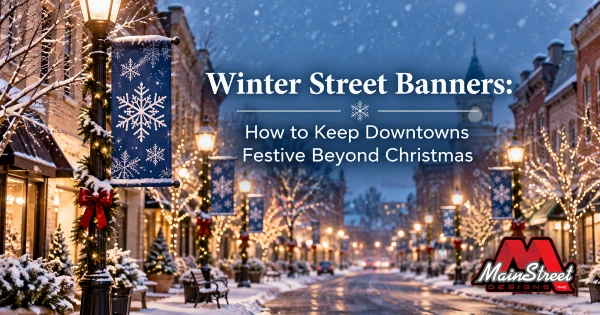
Winter street banners can keep downtown areas colorful and welcoming after Christmas decorations come down. Cities can transition from holiday-specific décor to snowflakes, seasonal colors, community branding, and winter themes that remain appropriate through January, February, and early spring.
Frequently Asked Questions About Winter Street Banners

When should cities replace Christmas banners with winter banners?
Many communities make the change shortly after Christmas or New Year’s Day. The timing depends on local events, weather, and how long Christmas decorations remain installed.
What designs work best on winter street banners?
Snowflakes, snowy landscapes, evergreen imagery, stars, winter colors, and community branding work well beyond Christmas. These designs can remain seasonally appropriate for several months.
Can winter banners stay up through February?
Yes. General winter designs can often remain relevant through February or longer. Avoid Christmas-specific wording if banners will stay installed after the holiday season.
Should winter banners include a city logo?
They can. Adding a city logo, community name, or established brand colors can strengthen local identity while keeping the design seasonal.
Can cities use winter banners with other seasonal decorations?
Yes. Winter banners can complement snowflakes, white lighting, greenery, stars, and other decorations that remain appropriate after Christmas.
How should cities prepare banners for winter weather?
Use materials and mounting systems designed for outdoor conditions. Inspect banners, brackets, poles, and hardware throughout the season, especially after severe weather.
What Happens Downtown After the Christmas Decorations Come Down?
Downtown areas often receive their strongest visual makeover during the Christmas season. Trees, wreaths, garland, lights, and other decorations fill public spaces. Then January arrives. When Christmas-specific décor disappears, streets can suddenly look noticeably empty. A planned winter transition can help prevent that change. Instead of removing every seasonal element at once, communities can shift toward a broader winter streetscape. Custom and stock street banners can play an important role in that transition. They add color without requiring another large holiday installation.
Winter Street Banners Extend the Seasonal Streetscape



Christmas has a defined holiday period. Winter continues for weeks or months afterward across much of the country. Winter street banners give communities another way to recognize that season. They can stay relevant long after Santa, ornaments, and Christmas greetings are removed. This approach can also make better use of existing banner poles and hardware. Cities can simply rotate banner designs as the seasons change.
Choose Winter Themes Instead of Christmas-Specific Messages
The design determines how long a seasonal banner remains appropriate. A banner saying “Merry Christmas” has a much shorter display window than a snowflake design. Communities planning for January and February should choose broader winter imagery. These themes provide seasonal character without tying the display to one holiday.
Winter Banner Themes That Can Last Beyond December
- Snowflakes and falling snow
- Snow-covered trees or landscapes
- Evergreen branches and pinecones
- Stars and winter skies
- Ice-inspired patterns
- Winter wildlife
- Cool seasonal color palettes
- Community names and logos
- Welcome messages
- Local winter event messaging
MainStreet Designs offers many winter pole banner design ideas for communities considering seasonal imagery. That resource focuses more closely on specific visual styles and design inspiration.
Think of Christmas and Winter as Two Display Phases
Communities do not need to treat November through March as one decorating season. Breaking it into phases can create a more natural transition.
| Seasonal Phase | Possible Decorations | Banner Direction |
|---|---|---|
| November to December | Wreaths, trees, garland, bows, Christmas lighting | Christmas, holiday, or winter banners |
| January | Snowflakes, stars, white lights, winter greenery | Snowflakes, winter scenes, community branding |
| February | Selected winter decorations and lighting | Winter, civic, event, or downtown branding |
| Early Spring | Winter décor removed as weather allows | Transition to spring or community banners |
This phased approach gives communities more control over how downtown looks throughout the colder months. It can also make seasonal changeovers feel more intentional.
Keep Some Holiday Decorations That Still Look Like Winter
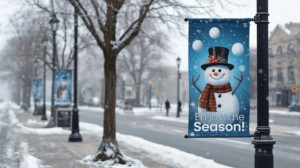
Not every decoration needs to disappear after December 25. Some pieces work just as well for general winter displays. Snowflakes, stars, neutral lighting, and selected greenery can remain visually appropriate. Pairing them with winter banners can create a coordinated January display. Christmas trees, Santa imagery, ornaments, and holiday greetings usually have a shorter seasonal window. Communities can remove those first while retaining less holiday-specific elements. For help planning the broader display, refer to How to Plan a Holiday Display for Your City or Downtown.
Use Winter Banners to Add Color During a Gray Season
Winter streetscapes can lose much of their natural color. Trees are bare, landscaping becomes dormant, and snow can dominate the surroundings. Banners provide a simple way to return color to those spaces. Deep blue, teal, silver, white, burgundy, evergreen, and other seasonal colors can create contrast. Communities do not need to limit designs to blue and white. Existing city colors can also work within a winter theme.
Combine Seasonal Design With Community Branding

Winter banners do not need to look generic. Custom designs can incorporate community names, logos, colors, landmarks, or other identifying elements. A city could pair its logo with snowflakes or evergreen graphics. A downtown district could incorporate its established colors into a winter background. This combination supports seasonal atmosphere and year-round civic identity. It also helps distinguish one community’s streetscape from another.
Keep Branding Simple Enough to Read
Street banners are often viewed quickly from vehicles or sidewalks. Designs should communicate clearly at a distance. Large graphics, short wording, and strong contrast generally work better than crowded layouts. Avoid trying to place an entire promotional message on one pole banner.
Winter Banners Can Support Downtown Events
Winter does not end when the holiday shopping season ends. Many communities continue hosting activities throughout January and February. Banners can support winter festivals, ice events, community celebrations, downtown shopping, and civic programs. They can also provide general seasonal decoration between events. A city could use several general winter designs throughout downtown. Event-specific banners could then appear in key locations closer to the event date.
Use Different Banner Designs Without Losing Consistency
A banner program does not need one identical image on every pole. Several complementary designs can create more visual interest. For example, one banner might feature a snowflake. Another could show evergreen branches, while another displays the city’s name. Shared colors, typography, or graphic styles can make the group feel coordinated. This provides variety without creating visual clutter.
Consider the Entire Street, Not Just One Banner
A banner may look attractive by itself but behave differently within a full streetscape. Always think about repetition and spacing. Alternating two or three designs can create rhythm along a long corridor. Matching designs may work better near civic buildings or formal downtown entrances. Also consider what sits behind each banner. Building colors, signs, trees, and other decorations can affect visibility.
Choose Materials Designed for Outdoor Banner Use
Winter banners face wind, moisture, snow, freezing temperatures, and changing weather conditions. Material selection should reflect the intended location and display period. MainStreet Designs offers several banner material options, including digital fabrics, poly canvas, vinyl, and marine acrylic products. Different materials can suit different applications and budgets.The MainStreet Designs banner collection includes custom and stock options for municipalities, organizations, parks, schools, and commercial districts.
Check Banner Hardware Before Winter Installation
A good banner depends on more than the printed material. Brackets, poles, arms, banding, and other hardware also affect performance. Inspect existing hardware before installing a new seasonal set. Look for visible wear, loose components, damaged arms, or other concerns. MainStreet Designs offers Bannerware and banner hardware designed for pole banner installations. Communities should choose hardware appropriate for the banner size, pole, and local conditions.
Inspect Winter Banners After Severe Weather
Winter weather can bring strong winds, snow, ice, and rapidly changing conditions. The National Weather Service notes that winter storms can include wind-driven snow, ice, and significant wind. After major weather events, communities should visually inspect seasonal installations when conditions allow. Check banners and mounting hardware for shifting, loosening, or visible damage. Crews performing outdoor work should also account for winter hazards. OSHA recommends planning outdoor winter work around weather hazards and safe work practices.
Plan Changeovers Before Winter Weather Arrives
Seasonal banner changes become more difficult during snow, ice, and extreme cold. Whenever possible, plan installation and removal dates before severe conditions arrive. Consider equipment availability, traffic control, staff schedules, and weather forecasts. A clear schedule can reduce last-minute winter work. Communities using several banner rotations may also label sets by season or installation location. Organized storage can make each changeover faster.
Can Winter Street Banners Stay Up Through February?
General winter banners can usually remain visually relevant much longer than Christmas designs. February still feels like winter across many parts of the United States. The appropriate removal date depends on local climate, events, and the next planned banner rotation. Some cities may transition directly from winter designs into spring banners. Others may replace winter banners with civic branding, local event banners, or another community campaign.
Use Winter Banners as Part of a Year-Round Rotation
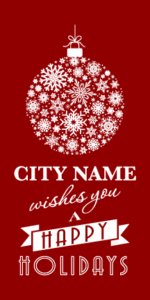


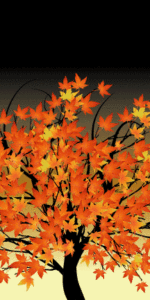
A seasonal banner program works best when communities plan more than one changeover at a time. Winter can become one part of an annual streetscape calendar.
| Season | Possible Banner Themes |
|---|---|
| Winter | Snowflakes, winter scenes, community branding |
| Spring | Flowers, community renewal, local events |
| Summer | Patriotic themes, festivals, tourism, civic branding |
| Fall | Autumn colors, festivals, downtown shopping |
| Holiday | Christmas, holiday greetings, seasonal celebrations |
Planning a yearly rotation can also help cities budget for new banner sets over time. Existing designs can return in future seasons when they remain in good condition.
Coordinate Winter Banners With Remaining Downtown Decorations
Winter banners should not look disconnected from other seasonal elements. Consider what decorations will remain after the Christmas changeover. Snowflake pole mounts can pair naturally with snowflake banners. White lighting can complement blue, silver, or city-branded banner designs. If greenery remains, banners can include subtle evergreen elements. These connections make the entire display feel planned. For more information about choosing complementary decoration types, read Which Christmas Decorations Work Best for City Streets and Downtown Areas?. You can also review How to Choose Pole-Mount, Streetline and Lighted Holiday Decorations when planning the holiday portion of the streetscape.
Do Not Make Every Winter Banner About Snow
Winter themes can extend beyond snowflakes and snowy landscapes. Communities can also use the season to reinforce local identity. Consider banners featuring architectural details, city landmarks, downtown branding, welcoming messages, or community values. Seasonal colors can still give these designs a winter feel. This approach works especially well where snow is uncommon. A winter streetscape should reflect the community’s actual character and climate.
Create a Smoother Transition From Christmas to Winter
Removing every holiday element at once can create a noticeable visual gap downtown. A planned transition keeps streets looking active and cared for. Remove Christmas-specific items first. Keep appropriate winter lighting or decorations, then introduce winter banners where needed. The result can carry downtown from the holiday season into the first months of the new year without requiring another major display installation.
Keep Downtown Looking Welcoming All Winter
Winter does not need to mean empty poles and undecorated streets. The right banners can add color, identity, and seasonal interest after Christmas. Choose designs with a longer seasonal lifespan. Coordinate them with remaining winter decorations and plan their placement as part of the larger streetscape. MainStreet Designs offers custom and stock pole banners for cities, municipalities, downtown districts, parks, schools, and organizations across the United States. Communities can select existing winter designs or work with MainStreet Designs on custom banners featuring local colors, branding, and seasonal imagery. Ready to plan your winter banner transition? Contact MainStreet Designs to discuss banner designs, materials, sizes, hardware, and options for keeping your community colorful beyond Christmas.

Published October 2026